

Behind Metamorfoza — A Documentary About Change, Light, and Real Moments
Every project I work on teaches me something new. Metamorfoza is one of those films that reminded me why I fell in love with storytelling in the first place. It’s about Nina — her struggles, her art, her recovery, and how she found herself again through movement, painting, and fashion.In this post, I want to share how I approached the film, both creatively and technically. I hope it gives you some insight into my process and maybe helps you in your own projects.
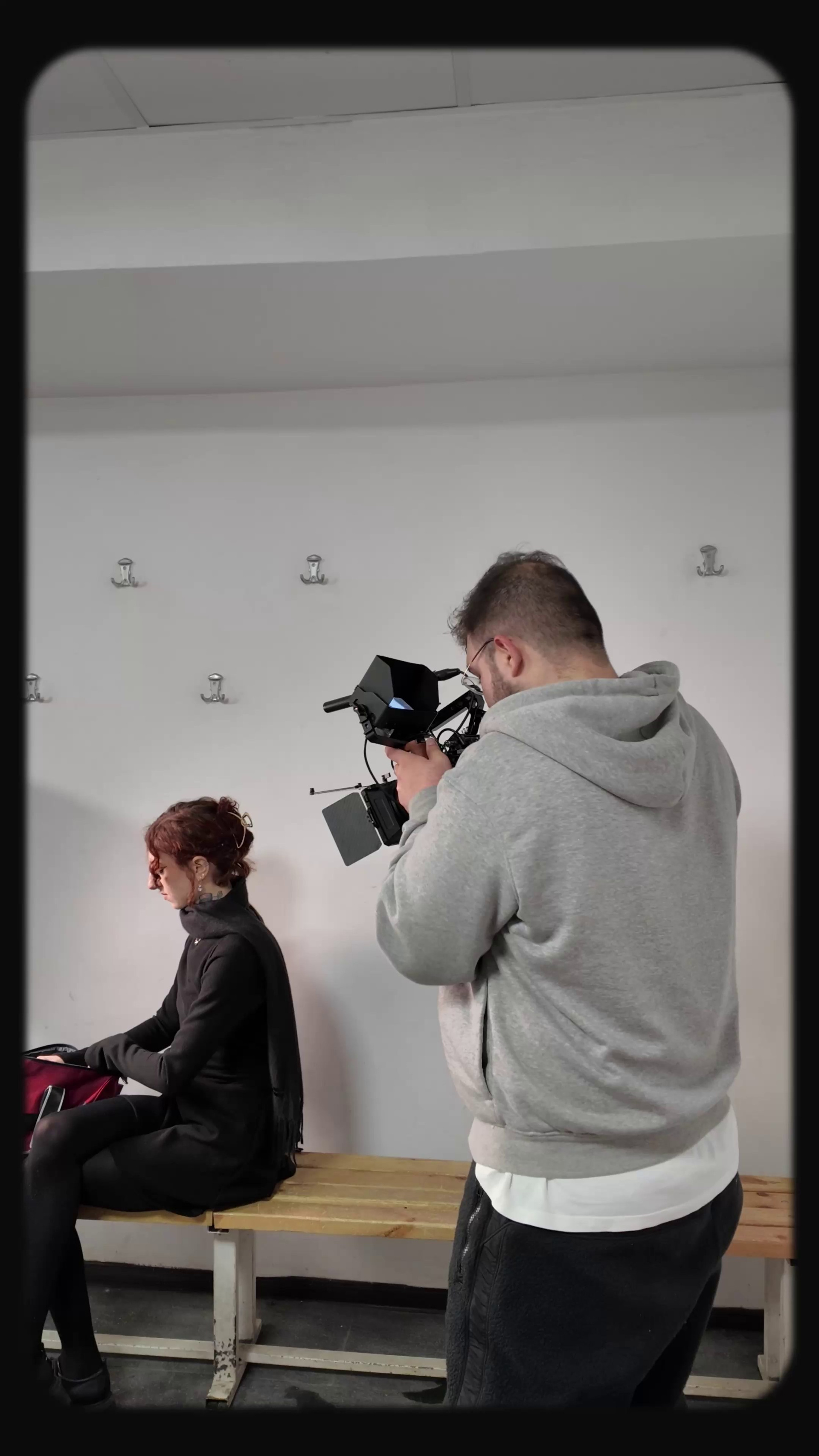
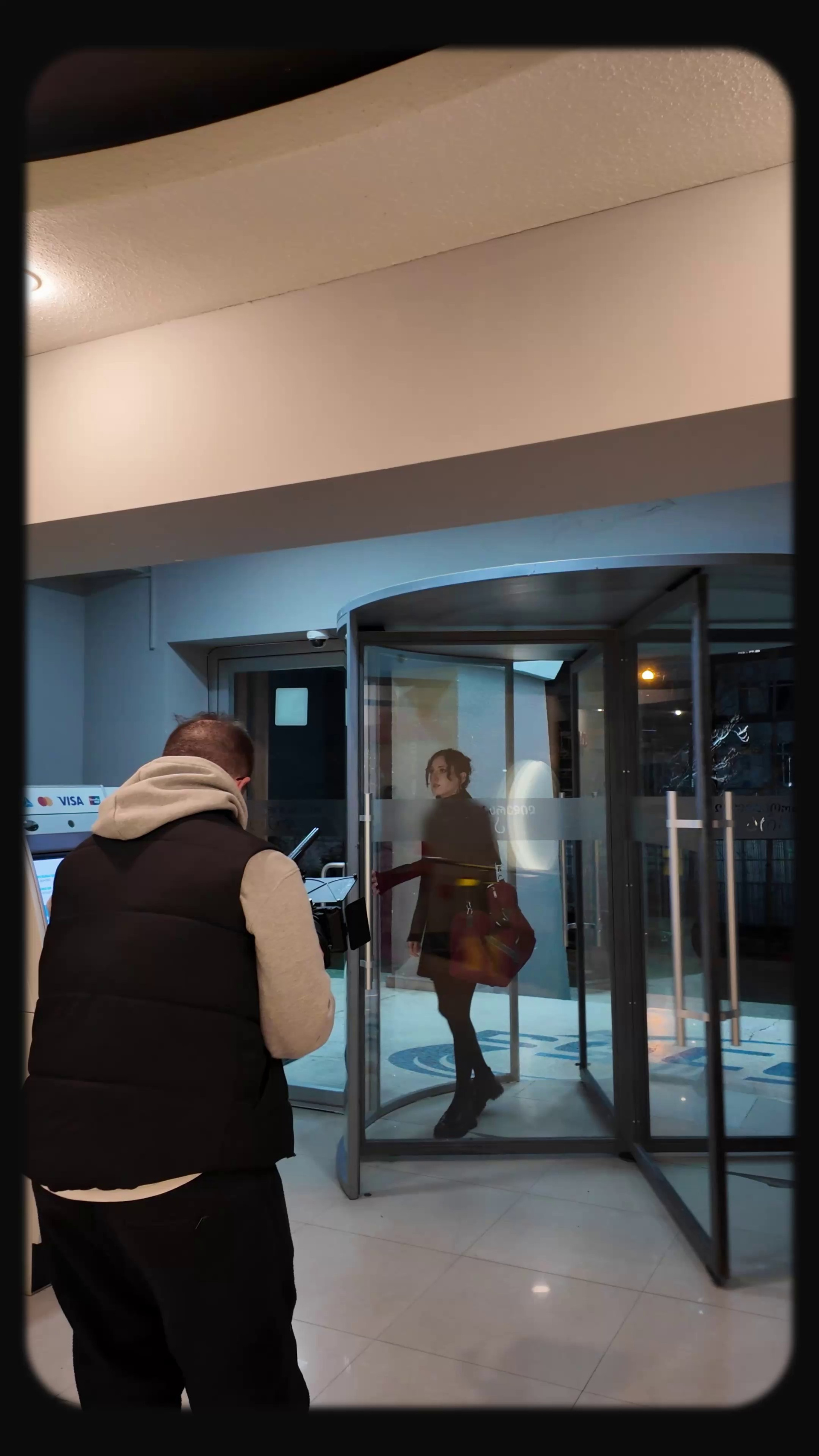
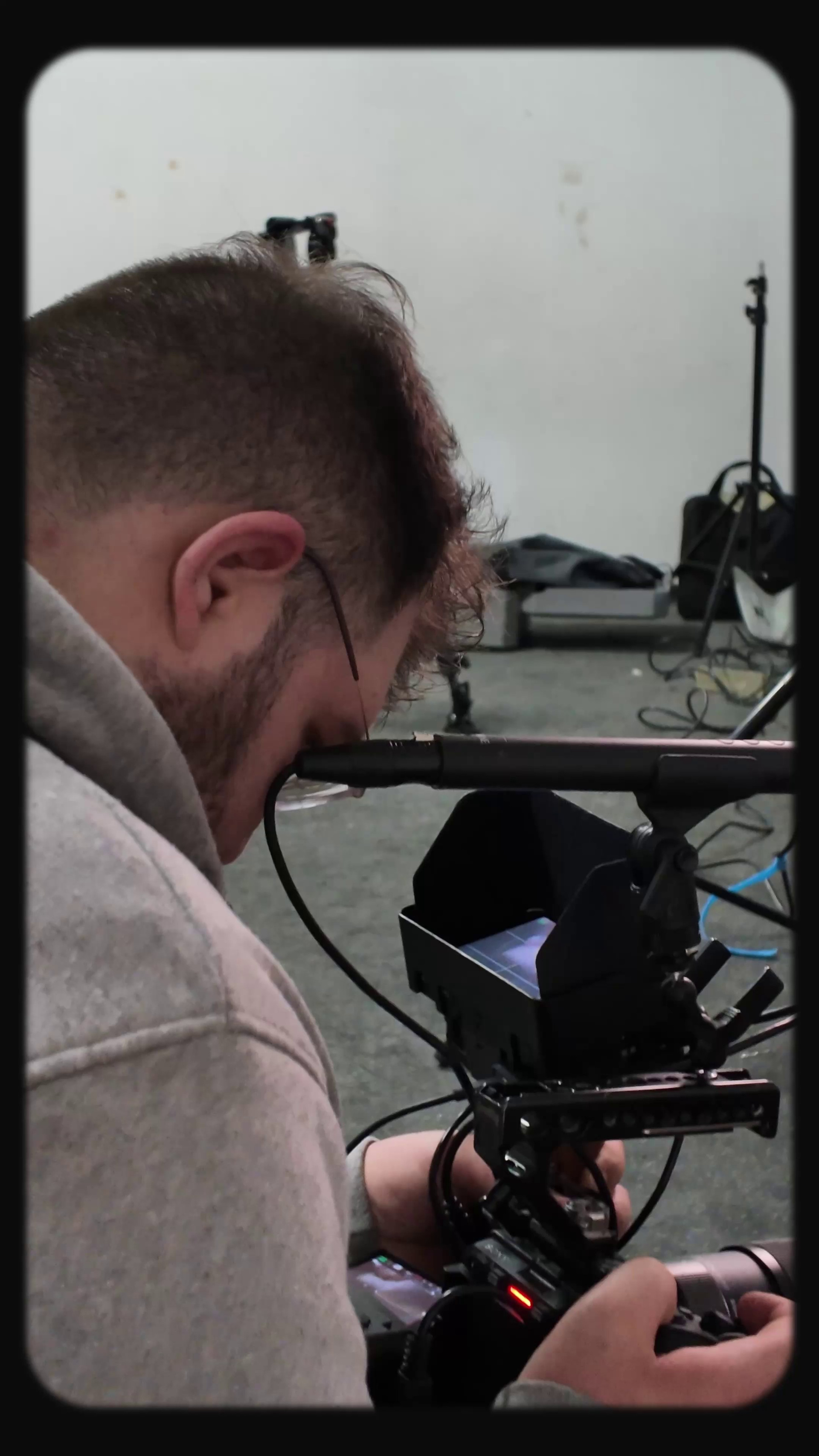
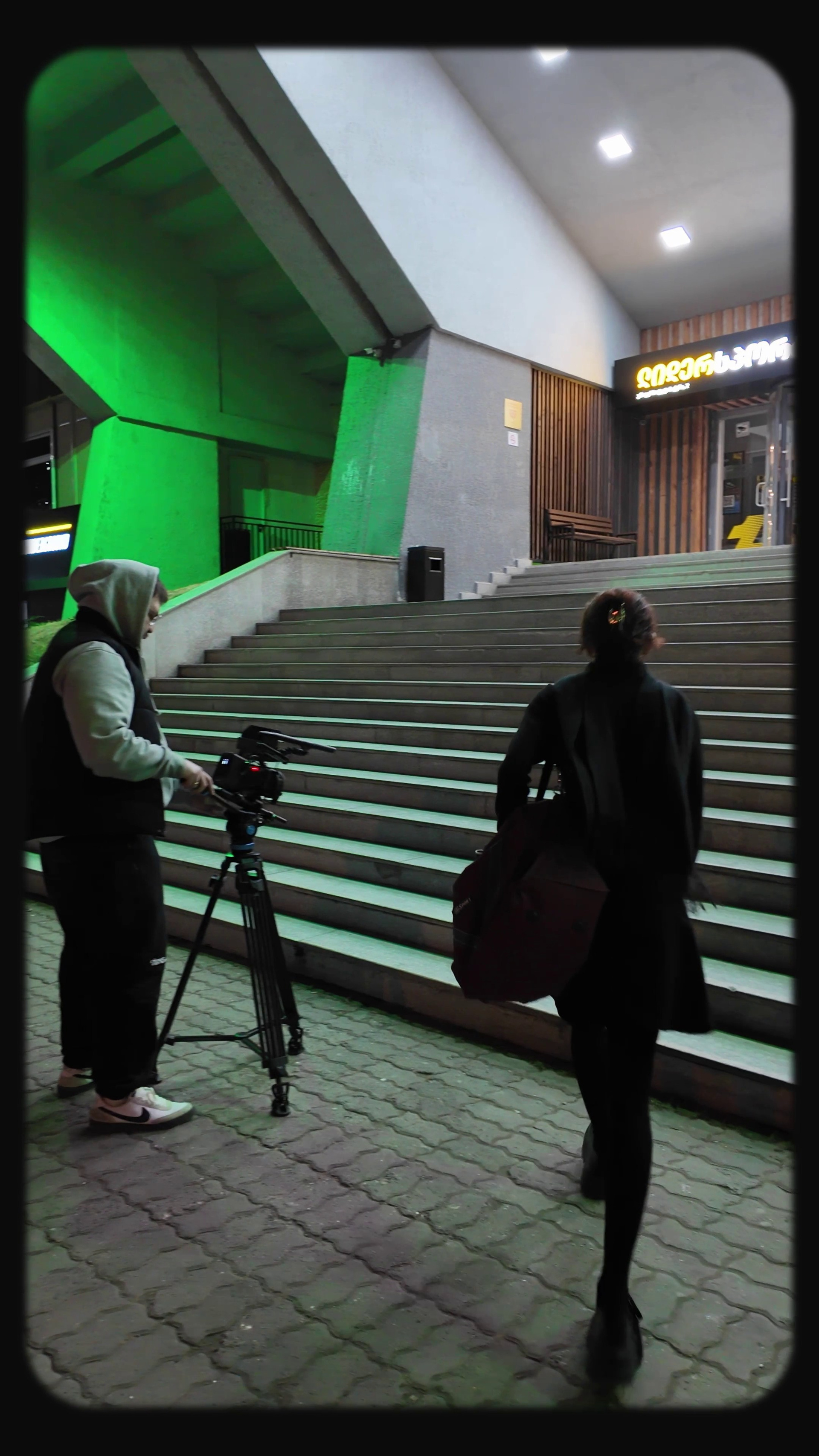
I filmed Metamorfoza with the Sony FX30. It’s light, reliable, and gave me the cinematic image I needed for both calm and emotional moments. The colors and dynamic range helped me move easily between cold tones in the ice rink and warm light at Nina’s home.For the behind-the-scenes, I used the DJI Osmo Pocket 3. It’s small, quick to set up, and perfect for capturing natural moments without interrupting what’s happening. I like using it for BTS because it shows the real energy on set — not something staged.
Lighting for this project was very simple but intentional. I used the Nanlite FC-60B and FC-120B for almost every scene.At Nina’s house, I wanted soft, natural light — the kind that feels like morning sunlight through a window. I used the FC-60B with a diffuser to keep it gentle.
For interviews, I used the FC-120B as my main light, warm and directional but still soft enough to feel natural.
In the ice rink, I mostly used available light, adding small fills when needed to keep the natural atmosphere.The idea was to let the light reflect Nina’s emotional state — brighter when she was calm or expressive, and colder when she spoke about harder moments.
I didn’t want the film to feel like a traditional documentary. It’s more about emotion and honesty than structure. Nina went through a lot — from battling inner struggles to rebuilding her confidence — and I wanted that to come through naturally.We recorded interviews, quiet moments, and small details of her daily life. Some scenes were planned, but many just happened. The best moments came when we stopped trying to control everything and simply listened.
Every time I make a film, I try to focus on three main things:
- Story first. The emotion should always guide your technical choices.
- Keep it simple. You don’t need a lot of gear to make something meaningful.
- Be present. The more real the connection, the more honest your footage will feel.
Metamorfoza isn’t about creating something perfect — it’s about showing real transformation. It’s about how someone can fall apart, rebuild, and learn to see beauty again.
I’ll be sharing some behind-the-scenes clips and lighting breakdowns from Metamorfoza soon.
If you’re interested in learning how to create films that feel real and honest, I hope this project can be a good example of what’s possible when you focus on emotion, not equipment.
Blog

Agnesse — Fascination

the ROZZ — Tev Ir

MOREJID — JOURNEY MAN

RIMI X GULBIS ACADEMY

JAUNIBA
